

SEIP 2025 Skills For Employment Investment Program: Bangladesh is standing at a turning point in 2025. With its growing population, expanding industries, and rapidly changing labor market demands, skills have become the new currency of economic empowerment. Gone are the days when a university degree alone guaranteed success today, practical, job-oriented skills are what employers and entrepreneurs look for. That’s where the Skills for Employment Investment Program (SEIP) steps in.
 Launched with the support of the Government of Bangladesh and international partners like the Asian Development Bank (ADB), SEIP has become a flagship initiative for bridging the gap between training and employment. From specialized nursing to motor driving, from IT to manufacturing, SEIP’s training footprint covers a wide variety of sectors that are vital for both domestic growth and global competitiveness.
In 2025, SEIP isn’t just about training individuals; it’s about reshaping Bangladesh’s human development ecosystem. It’s about ensuring that young people, women, and underprivileged communities have the tools to secure decent work, generate income, and contribute meaningfully to the economy. By focusing on inclusivity and aligning training with industry needs, SEIP is helping Bangladesh transition into a skills-driven economy fit for the future.
The Role of SEIP in National Human Development
To understand SEIP’s importance, one has to look at Bangladesh’s broader development journey. Over the last decade, the country has witnessed tremendous progress in sectors like ready-made garments, remittance, agriculture, and services. But the next phase of growth depends on human capital. Without a skilled workforce, industries cannot remain competitive, and young people risk falling behind in both local and international job markets.
Why Skills Matter for Bangladesh’s Economy
- Bangladesh has one of the largest youth populations in South Asia, but unemployment and underemployment remain high.
- Many young people lack formal technical education or practical job-oriented skills, which limits their employability.
- Employers often complain about a “skills mismatch,” meaning graduates don’t have the competencies industries require.
- For international labor markets (like the Middle East, Europe, and East Asia), workers from Bangladesh need standardized certifications to compete.
This is where SEIP comes in. By providing structured, competency-based training, SEIP not only increases employability but also supports Bangladesh’s ambitions of becoming a developed nation by 2041.
SEIP’s Mandate and Scope
- To provide quality skills training across diverse priority sectors.
- To emphasize industry collaboration so that training reflects real market needs.
- To certify trainees so that their skills are recognized nationally and internationally.
- To ensure job placements through strong linkages with employers.
- To support women and disadvantaged groups, reducing inequalities in access to training and opportunities.
Through this mandate, SEIP has positioned itself as the backbone of Bangladesh’s skills development ecosystem.
Major Achievements of SEIP up to 2025
Looking back, SEIP’s journey has been nothing short of impressive. In less than a decade, it has transformed skills training in Bangladesh from scattered, small-scale programs to a large, coordinated system with measurable outcomes.
Enrollment and Certification Milestones
- By September 2025, SEIP has enrolled 784,908 trainees, moving closer to its ambitious target of 800,000.
- Out of these, more than 685,235 trainees have successfully completed certification, proving that the program is not just about enrollment but about ensuring quality outcomes.
Employment and Self-Employment Outcomes
- SEIP’s ultimate measure of success is job creation. To date, about 484,538 graduates have secured employment, either in wage jobs or self-employment.
- These numbers show that SEIP training is not theoretical but designed to translate into real livelihoods.
Sectoral Coverage
SEIP has trained people across 208 different courses, covering industries such as:
- Information Technology (IT & freelancing)
- Ready-made garments (RMG)
- Healthcare and specialized nursing
- Motor driving and transport services
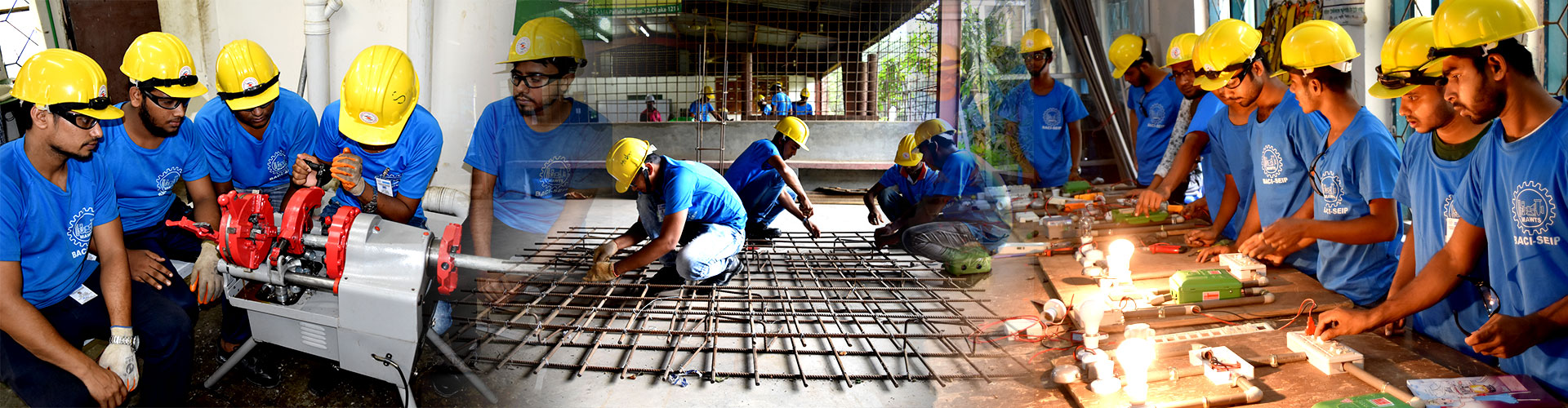
- Manufacturing and engineering trades
- Entrepreneurship and small business management
Each sector is carefully chosen to align with both domestic demand and international labor opportunities.
Strategic Partnerships and MoUs Driving Progress
No skills program can succeed in isolation. SEIP recognized this early and built partnerships to expand its capacity, credibility, and global reach.
Key Partnerships
- BITAC and KOREATECH: These collaborations bring in best practices in technical and vocational education and training (TVET). Knowledge exchange with Korea, in particular, helps Bangladesh adopt international standards.
- BRTC (Bangladesh Road Transport Corporation): SEIP signed an MoU to provide motor driving training to more than 17,700 trainees under tranche-3. This not only enhances road safety but also addresses the demand for certified drivers at home and abroad.
- Kumudini Welfare Trust: A major step in healthcare training, this partnership focuses on specialized nursing and caregiving courses, meeting rising demand in both local hospitals and overseas opportunities.
Why Partnerships Matter
- They ensure industry relevance by aligning training with employer needs.
- They promote innovation in curriculum through global exposure.
- They expand SEIP’s training capacity beyond government institutions.
- They foster trust with employers, improving job placement rates.
These partnerships highlight SEIP’s shift from being a government-run program to a multi-stakeholder movement for skills and human development.
SEIP’s Expanding Training Infrastructure
Behind SEIP’s success is a rapidly growing training infrastructure that ensures quality delivery at scale.
Partner Institutes and Courses
- SEIP now works with 579 partner institutes spread across Bangladesh.
- These institutes collectively offer 208 certified courses, ensuring that trainees can choose from a wide variety of career paths.
Trainers and Assessors
- SEIP has developed a pool of 3,891 trainers, skilled not just in technical knowledge but also in modern teaching methods.
- Alongside, 1,059 assessors ensure that trainees are evaluated fairly and consistently based on competency standards.
Quality Assurance Mechanisms
To maintain standards, SEIP emphasizes:
- Competency-based training aligned with National Technical and Vocational Qualifications Framework (NTVQF).
- Continuous monitoring and evaluation of partner institutes.
- Feedback loops with industries to keep courses updated.
This infrastructure growth means that SEIP is no longer a pilot initiative it has become a nationwide training ecosystem, setting the foundation for Bangladesh’s long-term skills development strategy.
Focus on Inclusivity and Female Enrollment
One of the most remarkable aspects of SEIP’s evolution is its determination to make training inclusive. Skills development is not just about numbers; it’s about ensuring that women, disadvantaged youth, and marginalized groups are given equal opportunities to learn and grow.
Female Enrollment Milestones
- As of 2025, more than 246,000 women have been trained under SEIP.
- This represents a significant portion of the total trainees and demonstrates SEIP’s commitment to gender equality.
Breaking Barriers for Women
Historically, women in Bangladesh have faced multiple obstacles in accessing education and employment ranging from social norms to logistical challenges like childcare and transportation. SEIP has taken practical steps to address these issues by:
- Providing stipends and allowances to cover training-related expenses.
- Encouraging enrollment in non-traditional sectors such as IT, driving, and engineering.
- Partnering with women-focused organizations like BWCCI (Bangladesh Women Chamber of Commerce and Industry) to increase outreach.
By doing so, SEIP is not only equipping women with skills but also empowering them to break stereotypes and enter industries once dominated by men.
Ensuring Job Outcomes and Certification
Training without job placement is like building a ship that never sails. SEIP has made it clear from the start that its real success lies in employment outcomes.
From Training to Employment
- Of the nearly 685,235 certified graduates, 484,538 have secured employment either through wage jobs or self-employment.
- This means that more than 70% of certified graduates are gainfully employed, a figure that far exceeds many other training programs globally.
Standardized Certification
Certification under SEIP is aligned with the National Technical and Vocational Qualifications Framework (NTVQF). This ensures that trainees’ skills are recognized nationally and can be benchmarked internationally.
Why Certification Matters
- It provides credibility in the eyes of employers.
- It allows workers to compete in international labor markets.
- It gives trainees a sense of accomplishment, boosting confidence and career growth.
By combining rigorous training with standardized certification and job placement support, SEIP has built a closed loop system where learning leads directly to livelihoods.
Challenges Facing SEIP in 2025
No large-scale program is free of challenges, and SEIP is no exception. While it has made remarkable progress, there are several hurdles that need attention to ensure sustainability.
Skills Mismatch
- Industries evolve rapidly, and training courses sometimes lag behind changing market needs.
- For example, demand for digital skills and green technologies is growing faster than curricula can adapt.
Gender Gaps
- Despite improvements, female participation still lags in some technical sectors.
- Social stigma, safety concerns, and family responsibilities remain barriers for women.
Monitoring and Evaluation
- While enrollment and certification numbers are impressive, ensuring the quality of training across 579 institutes is a constant challenge.
- Standardization and continuous evaluation are essential to prevent dilution of training standards.
Geographic Reach
- Rural and remote areas remain underserved compared to urban centers.
- More infrastructure, mobile training units, and community engagement programs are needed to bridge the gap.
SEIP’s ability to recognize and address these challenges will determine how effectively it sustains its achievements in the coming years.
Impact on Bangladesh’s Economy and Society
SEIP’s influence goes far beyond just numbers it is reshaping Bangladesh’s economy and society in profound ways.
Economic Impact
- By producing skilled workers, SEIP reduces dependency on unskilled labor, which often leads to lower wages.
- Skilled workers earn more, pay more taxes, and contribute to national economic growth.
- Industries benefit from higher productivity, better quality, and enhanced competitiveness in global markets.
Social Impact
- By empowering women, SEIP contributes to greater gender equality.
- By training disadvantaged youth, it reduces poverty and social exclusion.
- By aligning with international standards, SEIP enhances Bangladesh’s reputation in overseas labor markets.
The program is not just an investment in skills it’s an investment in social transformation. Families with skilled members experience better living conditions, improved education for children, and enhanced community development.
Looking Ahead: SEIP’s Roadmap for the Future
SEIP in 2025 is not the end of the journey it’s a stepping stone toward an even more ambitious future. The next few years are crucial in shaping how skills development evolves in Bangladesh.
Expansion into Emerging Sectors
- SEIP is expected to broaden its focus on digital literacy, IT freelancing, and green technologies, preparing youth for the jobs of tomorrow.
- Renewable energy, electric vehicles, and sustainable manufacturing are likely to be new frontiers.
Strengthening Public-Private Partnerships
- Industries must play a bigger role in curriculum design, internships, and job placement.
- More collaborations with global institutions can ensure that Bangladeshi workers meet international demand.
Greater Inclusivity
- Expect SEIP to place even more emphasis on increasing female participation and supporting people with disabilities.
- Childcare facilities, flexible training schedules, and safe transport options will play a key role.
Digital Transformation of Training
- Online platforms and blended learning models will allow SEIP to reach remote learners.
- Digital tools can also improve monitoring, certification, and job matching processes.
In essence, SEIP’s roadmap is about sustainability, inclusivity, and innovation ensuring that skills training continues to drive both economic growth and social progress.
Success Stories: Changing Lives through Skills
Numbers alone cannot capture the true essence of SEIP’s impact. Behind every statistic is a story of transformation of someone who gained confidence, built a career, or lifted a family out of poverty.
From Villages to IT Hubs
Many young people from rural areas have leveraged SEIP’s IT courses to become freelancers on global platforms. With a laptop and internet connection, they now earn in dollars, contributing not just to their families but also to Bangladesh’s remittance inflows.
Women in Non-Traditional Jobs
Stories of women breaking barriers are becoming increasingly common. Female trainees who once had limited opportunities are now certified drivers, electricians, and entrepreneurs. These success stories inspire more women to enroll and challenge societal stereotypes.
Healthcare Heroes
Specialized nursing and caregiving courses, offered in partnership with Kumudini Welfare Trust, have created a new generation of skilled healthcare workers. Many of them have found employment in hospitals both in Bangladesh and abroad, contributing to improved healthcare services and foreign exchange earnings.
Small Businesses Thriving
Entrepreneurship-focused training has allowed graduates to start small businesses from tailoring shops to digital service centers. These businesses not only provide livelihoods for the owners but also create employment opportunities within their communities.
Such stories illustrate how SEIP is more than a program it is a catalyst for personal empowerment and community development.
Admission Circulars
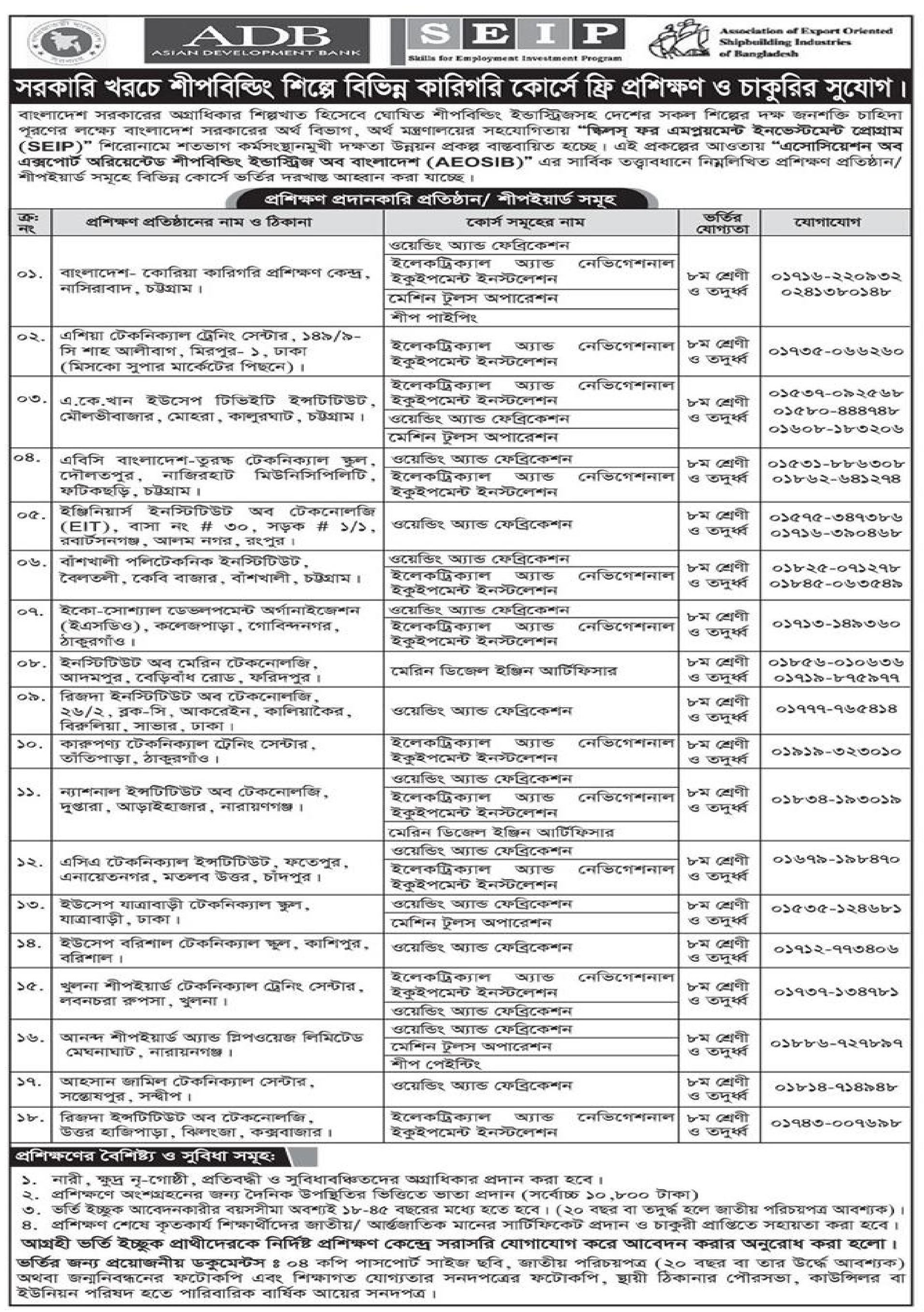
- Admission Circular for SEIP- AEOSIB Project
- Admission Circular for the SEIP-BWCCI Project
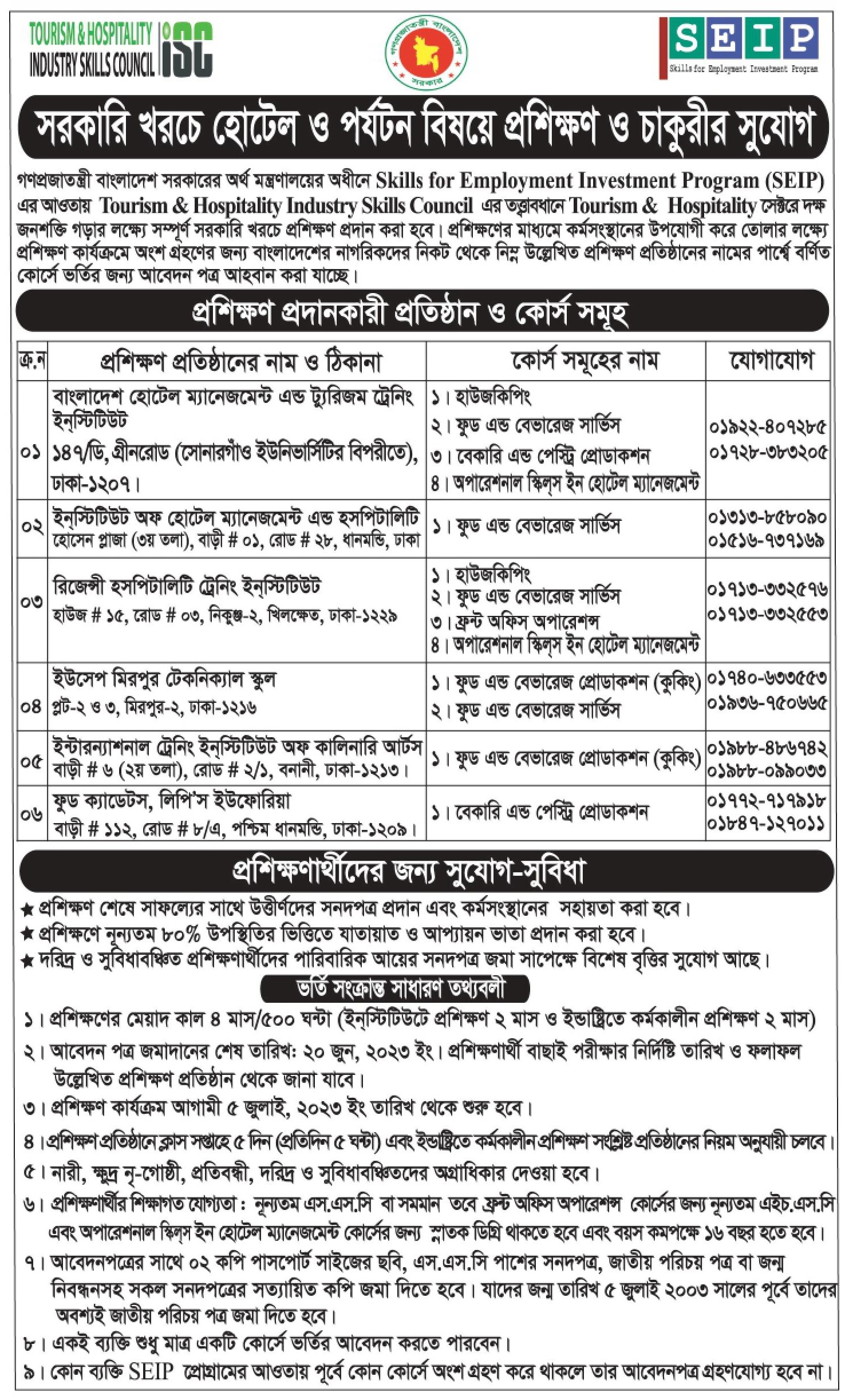
- Admission Circular for the SEIP-T&H_ISC Project
- Admission Circular for SEIP- BWCCI Project
- Admission Circular for SEIP- BEIOA Project
- Admission Circular for SEIP-BACI Project
- Admission Circular for SEIP- East West University Project
- Admission Circular for SEIP-BIGM Project
- Admission Circular for SEIP-BKMEA Project
- Admission Circular for SEIP- BRAC University Project
- Admission Circular for SEIP-IBA Project
- Admission Circular for SEIP-BIGM Project
- Admission Circular under SEIP-LFMEAB Project
- Admission Circular under SEIP-AEOSIB Project
Global Recognition and Influence
SEIP’s model has not gone unnoticed on the international stage. Development partners, policy experts, and global institutions have praised Bangladesh’s approach to scaling skills training through SEIP.
International Collaborations
- SEIP’s partnerships with institutions like KOREATECH showcase how knowledge exchange can elevate training quality.
- Its alignment with international labor standards has boosted the global competitiveness of Bangladeshi workers.
Recognition by Development Agencies
- The Asian Development Bank (ADB), a key partner, has highlighted SEIP as a model initiative in South Asia.
- Other countries exploring large-scale skills training programs are looking at SEIP as a benchmark for success.
Contribution to SDGs
SEIP directly contributes to Sustainable Development Goals (SDGs), particularly:
- SDG 4: Quality education through vocational and technical training.
- SDG 5: Gender equality by empowering women with employable skills.
- SDG 8: Decent work and economic growth through job creation.
Global recognition validates SEIP’s role as not just a national initiative but a global example of effective skills development.
The Steady Growth of Bangladesh’s Economy and the Role of Skills Development
The economy of Bangladesh has been growing steadily over the past decades, supported by reforms and greater openness. Annual GDP growth rose from an average of 4.1% between FY1973–1978 to 6.2% during FY2008–2013. Since FY2015–2016, the country has consistently achieved growth rates above 7%, and in 2018–2019 it even crossed the 8% mark. This gives Bangladesh the confidence to aspire toward double-digit growth in the future.
Alongside economic progress, literacy rates and school enrollment have increased significantly, with strong participation from girls and women. A large share of the population is young, with more than one-third aged 15–34 as of 2010. This demographic advantage, combined with falling fertility rates, presents Bangladesh with a demographic dividend that could last until 2050 and beyond if supported by effective policies and strong markets.
The Importance of Skills and Technology
While infrastructure and energy are critical for industrial growth, skills come next in importance. Skilled workers drive productivity, export diversification, and the creation of high-value products. Bangladesh is also moving toward a knowledge-based economy powered by technology, especially in Information and Communication Technology (ICT).
However, the Asian Development Bank (ADB) has pointed out that low skills and low productivity remain major barriers to competitiveness. That’s why strengthening the workforce is vital not only for the domestic economy but also for enhancing foreign remittance earnings.
Currently, remittances form a vital part of Bangladesh’s economy, but most workers abroad are unskilled or semi-skilled, which limits the amount they can send home. To sustain and increase remittance inflows, developing the skills of migrant workers is essential.
National Skills Development Policy and Institutions
To coordinate skill-building efforts, which were once scattered across 23 ministries and divisions, the Government of Bangladesh introduced the National Skills Development Policy in 2011. Following this, the National Skills Development Authority (NSDA) was established to ensure standardization, quality, and proper coordination of all training programs.
In addition, the National Human Resource Development Fund (NHRDF) was created to provide financial support to deserving public and private training institutes. Together, these measures aim to make skills training more accessible and impactful nationwide.
Skills for Employment Investment Program (SEIP)
In 2014, Bangladesh and the Asian Development Bank signed a Multi-tranche Financing Facility (MFF) Agreement to support large-scale skills development. The Skills for Employment Investment Program (SEIP) is co-financed by the Swiss Agency for Development and Cooperation (SDC) for its first phase, with several government ministries, Bangladesh Bank, PKSF, and 13 industry associations as partners.
A special focus of SEIP is road safety working with the Bangladesh Road Transport Corporation (BRTC) to train and license 100,000 drivers, aiming to reduce accidents.
The project is implemented by the Skills Development Coordination and Monitoring Unit (SDCMU) under the Finance Division, supported by an Executive Project Director, deputies, specialists, and a Project Management Unit led by the Finance Secretary.
Financing of SEIP
The program runs in three phases (tranches) between 2014 and 2024, with a total estimated cost of BDT 3712.33 crore. Funding comes from the Government of Bangladesh, ADB, industry associations, and other partners.
- Tranche 1: July 2014 – Dec 2019
- Tranche 2: March 2017 – Dec 2021
- Tranche 3: Jan 2020 – June 2024
The overall aim is to increase employment in priority sectors through improved, job-focused training.
Four Key Outputs of SEIP
-
Market-responsive training – SEIP plans to train over 800,000 people by 2024 in more than 130 occupations, ensuring that 60% of them secure employment. Private industry associations play a central role, along with public institutions like BMET, DTE, BITAC, and BRTC. At least 30% of trainees are targeted to be women, with special support for disadvantaged groups.
-
Quality assurance – The program invests in trainer development, modern equipment, and internationally recognized competency standards. Independent assessors evaluate trainees to maintain training quality.
Why is there so much police body cam footage on YouTube? → What are the NFL overtime rules? Everything to know for 2025 → Interview: Bartlett Sher on theater as a catalyst for change → 2025 Election: First real evidence that Trump’s coalition is unraveling → Chicago Architecture Biennial: Radical Times Demand Radical Change → Why Zohran Mamdani’s win is good for the art world → -
Strengthening institutions – SEIP has supported the creation of the NSDA and the NHRDF, as well as the Industry Skills Council (ISC). It has also helped set up Executive Development Centers at BRAC University, East West University, and Bangladesh University of Textiles, with another planned at Dhaka University’s IBA. These centers aim to produce skilled managers for key industries like textiles, garments, and leather, reducing the reliance on costly foreign experts.
-
Effective management and governance – A real-time online Training Management System (TMS) has been introduced to track enrollment, assessments, certification, and job placements. The system also ensures transparency in reporting and financial transactions.
Priority Sectors
SEIP is currently active in 10 priority sectors:
- Readymade Garments and Textiles
- Construction
- Information Technology
- Light Engineering
- Leather and Footwear
- Shipbuilding
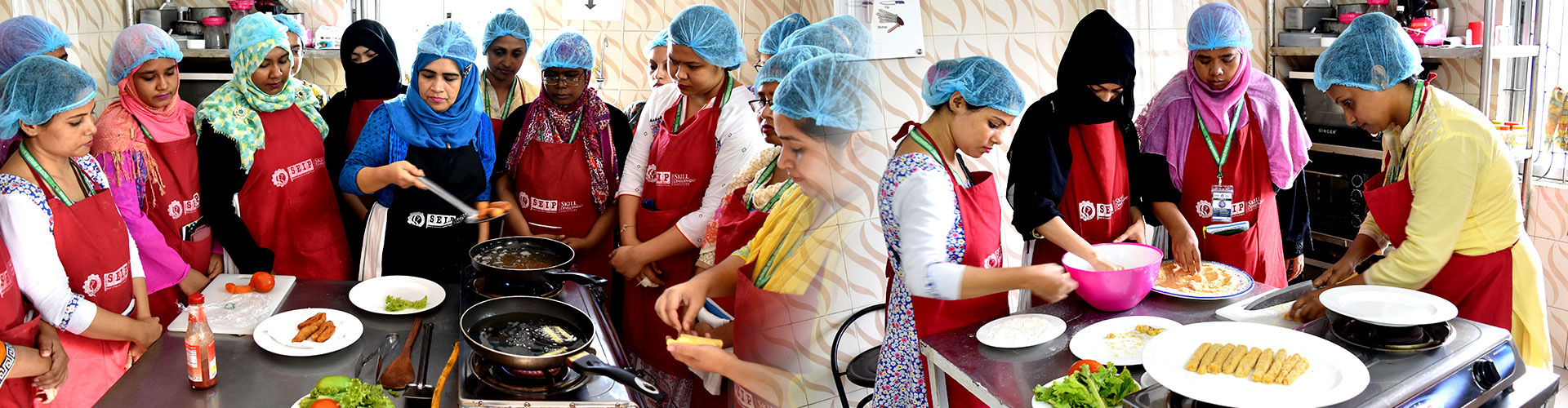
- Tourism and Hospitality Management
- Agro-processing
- Transport (Motor Driving)
- Nursing and Caregiving
Under Tranche 3, Renewable Energy is being added as a new sector.
The Bigger Picture
By investing in skills development, Bangladesh is not only preparing its young workforce for better jobs but also strengthening its industries for global competitiveness. The SEIP project, backed by ADB and national institutions, reflects a long-term vision: to transform Bangladesh into a skill-rich, knowledge-driven economy capable of sustaining high growth and improved living standards for decades to come.


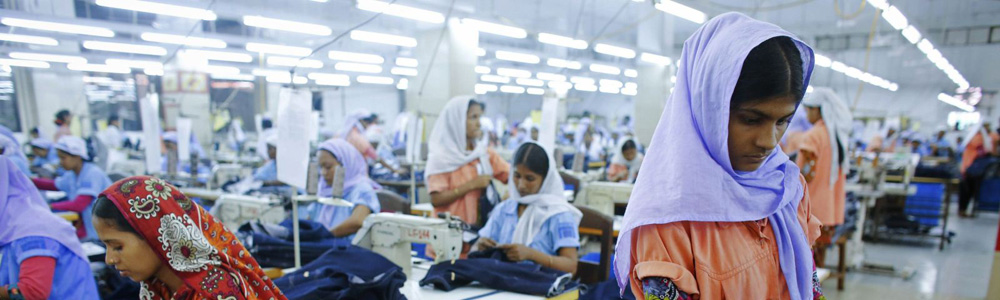
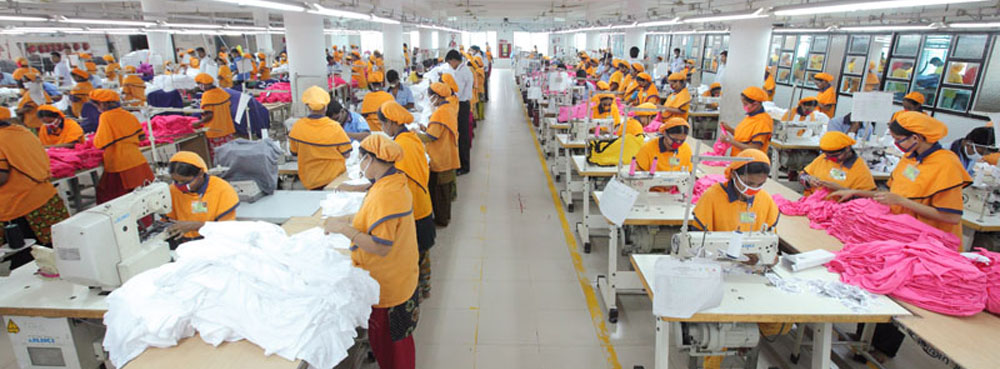
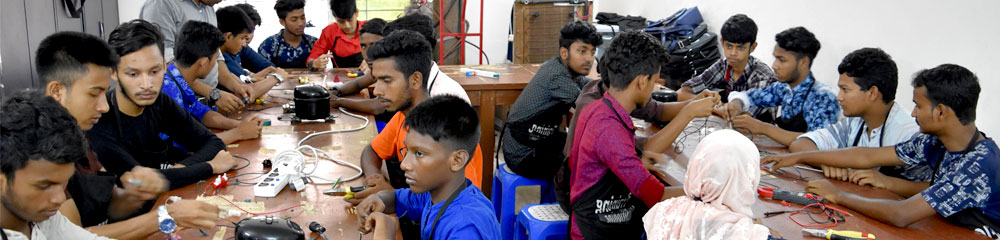
Comparing SEIP with Other Skill Development Programs
Bangladesh has implemented several training programs over the years, but SEIP stands out for its scale, inclusivity, and results-oriented approach.
What Sets SEIP Apart
- Scale: Enrolling nearly 800,000 trainees across 579 institutes is unmatched by other initiatives.
- Certification: Standardized under the NTVQF, ensuring global recognition.
- Employment Linkages: Strong emphasis on job placement and entrepreneurship support.
- Diversity of Courses: Covering more than 200 courses across multiple sectors.
- Inclusivity: Actively targeting women and disadvantaged groups.
Compared to small-scale projects run by NGOs or individual ministries, SEIP is a comprehensive, multi-stakeholder ecosystem that integrates training, certification, and employment outcomes under one umbrella.
Why SEIP Matters More Than Ever in 2025
The global economy is evolving faster than ever. Automation, artificial intelligence, and green technologies are reshaping industries. For Bangladesh to remain competitive, it must equip its workforce with the right skills.
SEIP matters because it:
- Prepares youth for future jobs rather than outdated roles.
- Strengthens Bangladesh’s position in international labor markets.
- Reduces poverty by providing livelihoods.
- Empowers women, fostering social transformation.
- Builds a culture of lifelong learning, critical for adapting to technological shifts.
In 2025, SEIP is not just relevant it is essential for Bangladesh’s journey toward becoming a developed nation.
Conclusion
The Skills for Employment Investment Program (SEIP) has become a cornerstone of Bangladesh’s human development strategy. From its humble beginnings to its achievements in 2025, SEIP has proven that large-scale, inclusive, and industry-focused training can transform lives, strengthen the economy, and reshape society.
Its success lies not only in the impressive numbers 784,908 enrolled, 685,235 certified, and 484,538 employed but also in the countless personal stories of empowerment. SEIP has given youth hope, women independence, and industries a skilled workforce.
As Bangladesh looks toward the future, the next phase of SEIP will be even more crucial. Expanding into emerging sectors, deepening inclusivity, and embracing digital transformation will ensure that SEIP continues to serve as both a national backbone and a global model for skills development.
In short, SEIP in 2025 is not just about training it’s about building a future where every Bangladeshi has the skills, confidence, and opportunity to thrive.
FAQs
1. What is SEIP and why is it important?
SEIP, or the Skills for Employment Investment Program, is a government-led initiative in Bangladesh designed to provide competency-based skills training, certification, and job placement. It is vital because it addresses unemployment, skills mismatches, and gender inequality.
2. How many people have been trained under SEIP by 2025?
As of September 2025, nearly 784,908 people have been trained, with 685,235 receiving certification and around 484,538 securing employment.
3. How does SEIP support women’s empowerment?
SEIP actively promotes female participation by providing stipends, offering training in both traditional and non-traditional sectors, and collaborating with organizations like BWCCI to expand women’s opportunities.
4. What sectors does SEIP focus on?
SEIP covers more than 200 courses across sectors such as IT, ready-made garments, healthcare, motor driving, manufacturing, and entrepreneurship.
5. What’s next for SEIP beyond 2025?
The roadmap includes expanding into digital skills, green technologies, and sustainable sectors; strengthening partnerships; increasing inclusivity; and adopting more digital tools for training and monitoring.
